


How does a mixing tank work?
As a supplier of mixing tanks, I'm often asked about the inner workings of these essential pieces of equipment. Mixing tanks are widely used in various industries, including chemical, food and beverage, pharmaceutical, and wastewater treatment. They play a crucial role in blending different substances to achieve a homogeneous mixture. In this blog post, I'll explain how a mixing tank works and the different types of mixing tanks available.
Basic Components of a Mixing Tank
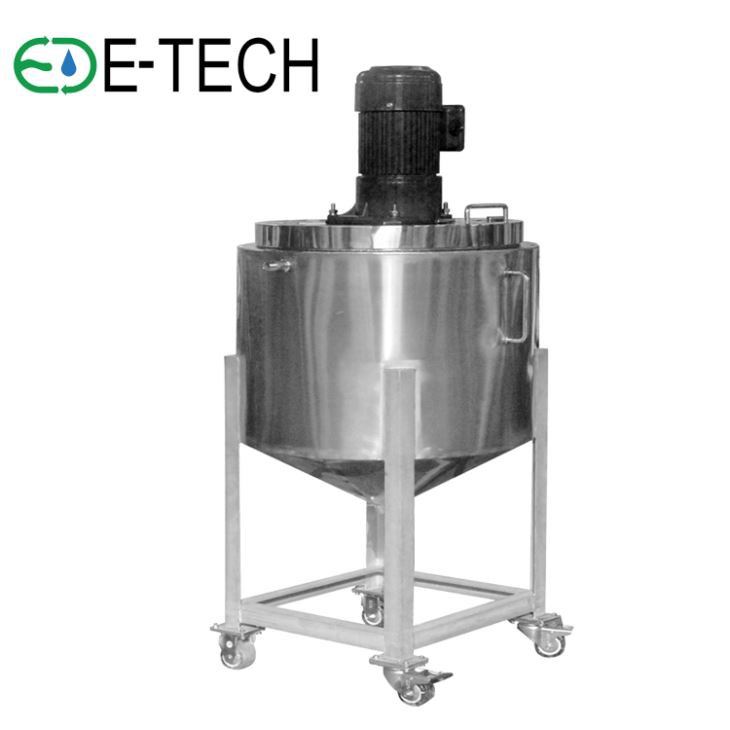
A typical mixing tank consists of several key components:
- Tank Body: This is the container where the mixing process takes place. It can be made of various materials, such as stainless steel, carbon steel, or plastic, depending on the application and the properties of the substances being mixed.
- Agitator: The agitator is the heart of the mixing tank. It is responsible for creating the necessary flow and turbulence to blend the substances. Agitators come in different types, including propellers, turbines, paddles, and anchors. The choice of agitator depends on factors such as the viscosity of the mixture, the desired mixing intensity, and the tank size.
- Motor: The motor provides the power to drive the agitator. It can be an electric motor, a hydraulic motor, or a pneumatic motor, depending on the specific requirements of the application.
- Shaft: The shaft connects the motor to the agitator and transfers the power from the motor to the agitator. It needs to be strong enough to withstand the torque and forces generated during the mixing process.
- Baffles: Baffles are vertical plates installed inside the tank to prevent the formation of a swirling motion and to improve the mixing efficiency. They help to break up the flow patterns and create more turbulence, ensuring a more thorough mixing of the substances.
- Inlets and Outlets: The inlets are used to introduce the substances to be mixed into the tank, while the outlets are used to remove the mixed product from the tank. The design and placement of the inlets and outlets are important to ensure proper flow and distribution of the substances.
How a Mixing Tank Works
The working principle of a mixing tank is based on the creation of flow and turbulence to blend the substances. Here's a step-by-step explanation of how the process typically works:
- Filling the Tank: The substances to be mixed are introduced into the tank through the inlets. Depending on the application, the substances can be in liquid, powder, or slurry form.
- Starting the Agitator: Once the tank is filled with the substances, the motor is started, which drives the agitator. The agitator rotates at a specific speed, creating a flow pattern within the tank.
- Creating Turbulence: As the agitator rotates, it creates turbulence in the fluid. The turbulence causes the substances to move and collide with each other, promoting mixing. The baffles inside the tank also help to enhance the turbulence and improve the mixing efficiency.
- Blending the Substances: The turbulence and flow created by the agitator cause the substances to blend together. Over time, the mixture becomes more homogeneous as the substances are distributed evenly throughout the tank.
- Monitoring the Process: During the mixing process, the operator may monitor various parameters such as temperature, pressure, and mixing time to ensure that the process is proceeding as expected. Adjustments may be made to the agitator speed or other parameters to optimize the mixing process.
- Discharging the Mixture: Once the mixing process is complete, the mixed product is removed from the tank through the outlets. The product can then be transferred to the next stage of the production process or stored for later use.
Types of Mixing Tanks
There are several types of mixing tanks available, each designed for specific applications and requirements. Here are some common types:
High Speed Mixing Tank
A High Speed Mixing Tank is designed to provide rapid mixing of substances. It typically uses a high-speed agitator to create intense turbulence and shear forces, which are effective for blending low-viscosity liquids and dispersing solids in liquids. High speed mixing tanks are commonly used in industries such as paint, ink, and adhesive manufacturing.
Stainless Steel Heating Mixing Tank
A Stainless Steel Heating Mixing Tank is equipped with a heating system to maintain the temperature of the mixture during the mixing process. The tank is made of stainless steel, which is corrosion-resistant and suitable for handling a wide range of substances. Stainless steel heating mixing tanks are widely used in the food and beverage, pharmaceutical, and chemical industries, where temperature control is critical for the quality of the product.
Vacuum Mixing Tank
A Vacuum Mixing Tank operates under a vacuum environment. This type of tank is used to remove air and other gases from the mixture, preventing oxidation and foaming. Vacuum mixing tanks are commonly used in the production of high-quality cosmetics, pharmaceuticals, and electronic materials.
Factors Affecting Mixing Efficiency
The efficiency of a mixing tank depends on several factors, including:
- Agitator Design: The type, size, and shape of the agitator have a significant impact on the mixing efficiency. A well-designed agitator can create the right amount of turbulence and flow to achieve a homogeneous mixture.
- Tank Geometry: The shape and size of the tank, as well as the placement of the baffles, can affect the flow patterns and mixing efficiency. A properly designed tank geometry can help to optimize the mixing process.
- Viscosity of the Mixture: The viscosity of the mixture determines the type of agitator and the mixing speed required. High-viscosity mixtures require more powerful agitators and slower mixing speeds to ensure proper blending.
- Temperature and Pressure: Temperature and pressure can affect the physical properties of the substances being mixed, such as viscosity and solubility. Maintaining the appropriate temperature and pressure during the mixing process is important for achieving the desired results.
- Mixing Time: The length of the mixing time also affects the quality of the mixture. Longer mixing times generally result in a more homogeneous mixture, but excessive mixing can also cause degradation of the substances.
Conclusion
Mixing tanks are essential equipment in many industries, and understanding how they work is crucial for achieving optimal mixing results. By choosing the right type of mixing tank, agitator, and operating conditions, you can ensure that your mixing process is efficient, reliable, and produces high-quality products.
If you're in the market for a mixing tank or have any questions about our products, please don't hesitate to contact us. Our team of experts is ready to assist you in selecting the right mixing tank for your specific application and providing you with the best possible solution. We look forward to the opportunity to work with you and help you achieve your production goals.

References
- Perry, R. H., & Green, D. W. (Eds.). (2008). Perry's Chemical Engineers' Handbook. McGraw-Hill.
- Paul, E. L., Atiemo-Obeng, V. A., & Kresta, S. M. (Eds.). (2004). Handbook of Industrial Mixing: Science and Practice. John Wiley & Sons.